Dual battery systems
An auxiliary battery, charging and wiring planned as one system for your vehicle.


KickAss 12V installer · Warwick, Queensland
Power for your fridge, lights and gear without leaning on your starter battery. Planned around your 4WD and how you use it, then wired and fitted in our Warwick workshop.
What it is
Your 4WD has a starter battery. Its job is to start the engine. A dual battery system adds an auxiliary battery for everything else, such as a 12V fridge, camp lights, UHF radio, device charging or work equipment.
While the engine runs, a charger or isolator connects the two so the auxiliary battery is topped up. With the engine off, your gear runs from the auxiliary battery, and the starter battery is kept for starting.
No single layout suits every vehicle. Battery type, charger, wiring, mounting position and extras such as solar all depend on the vehicle and the way you use it. That is why we plan each system around you rather than selling a one-size kit. See our builds for vehicles we have worked on.
What we offer
We work with brands including KickAss and REDARC. Exact products depend on your vehicle and the system we plan, and we confirm what is available when you talk to us.
An auxiliary battery, charging and wiring planned as one system for your vehicle.
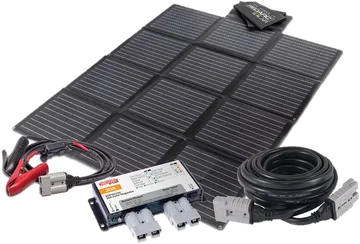
Solar charging and portable power options to keep the system topped up when you are parked.
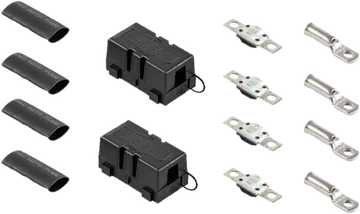
Cable and connections chosen and routed to suit the system, not left to chance.
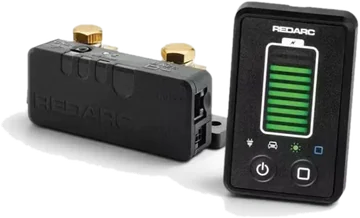
Protected circuits, plus monitoring so you can see what the battery is doing.
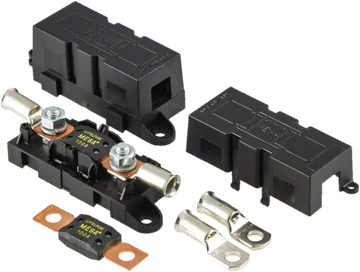
Dedicated circuits for your fridge, lights, comms and other 12V accessories.
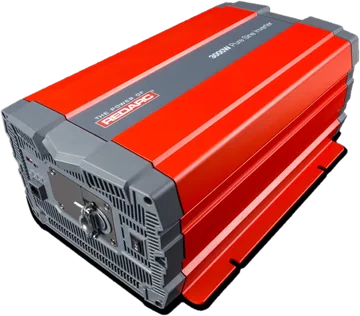
Inverter options for running mains-powered gear, sized to suit the system.
Planning a build? Plan your build or see what we do.
Parts we work with
Browse the main types of part, mostly from the REDARC range. They show what each part is, not what is in stock. Tap a card to ask us about it.
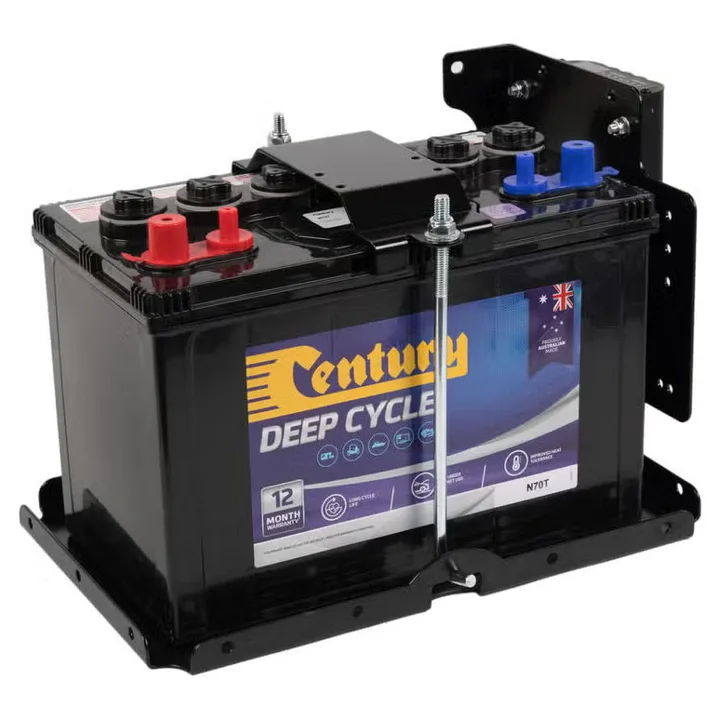
An auxiliary battery in a mounting bracket. Battery type and size are chosen to suit what you run.
Ask about this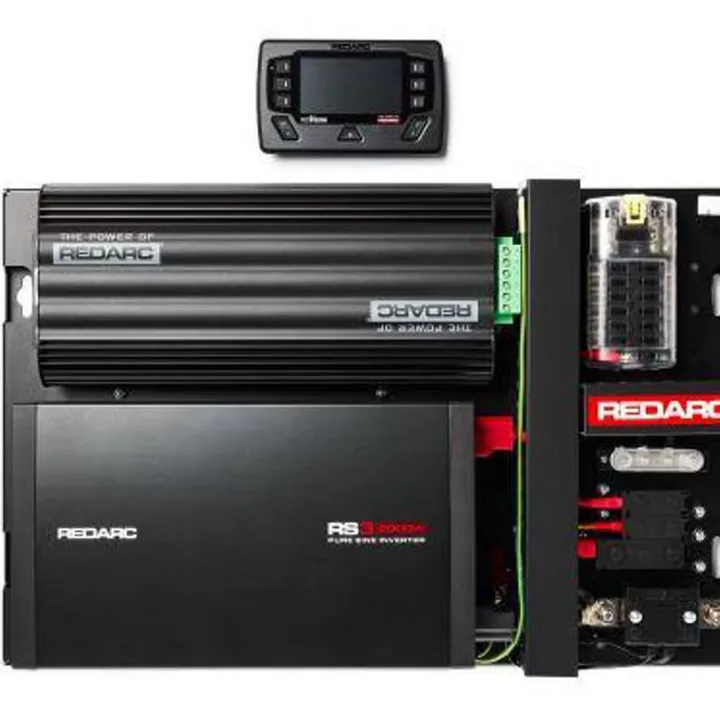
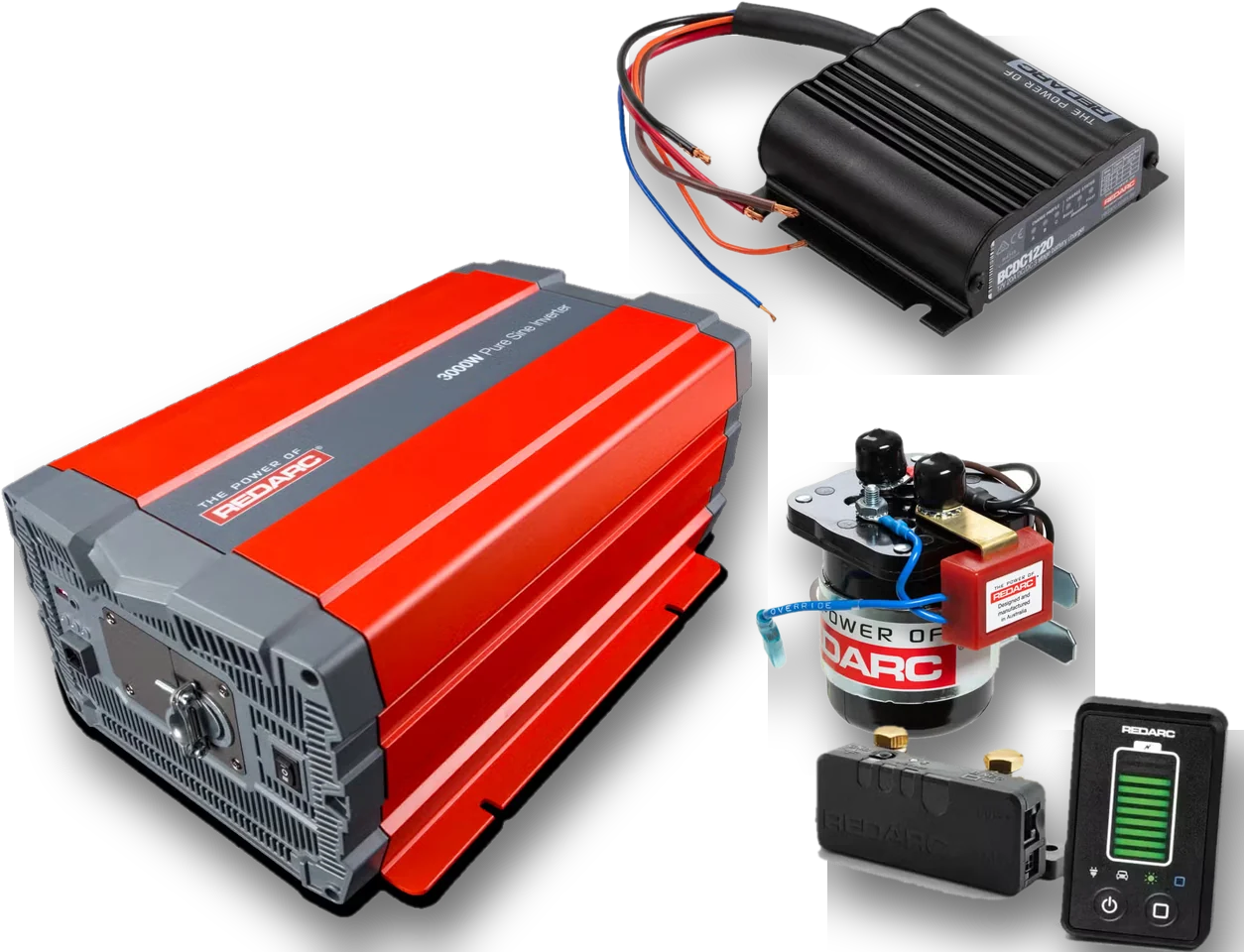
A charger, inverter, fuse block and display arranged together. One example of how parts can be combined.
Ask about this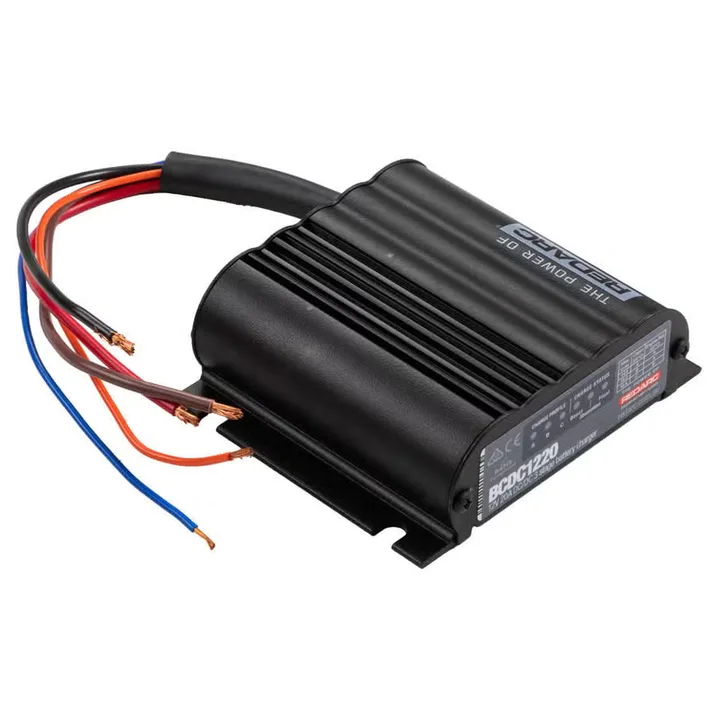
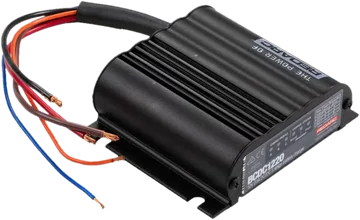
A DC-DC battery charger. It manages how the auxiliary battery is charged while the engine runs.
Ask about this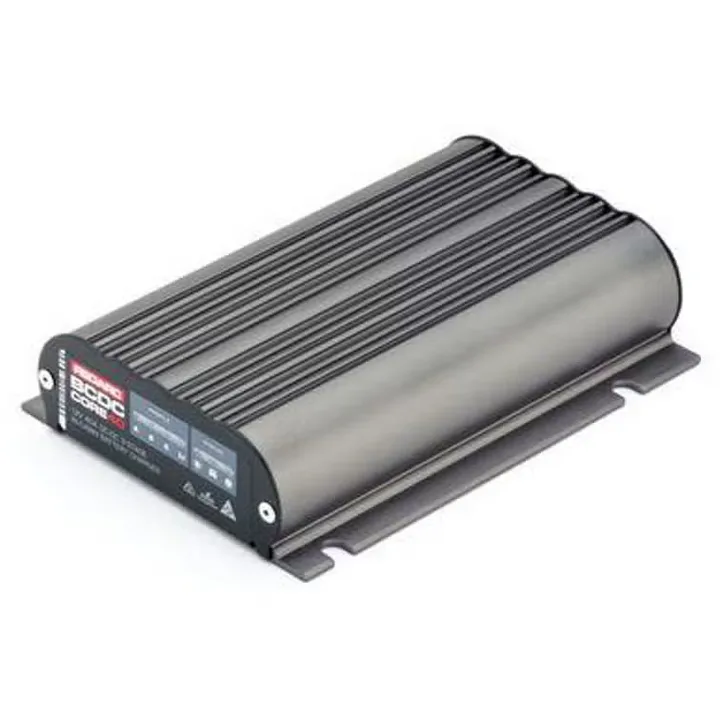
Another style of DC-DC charger with mounting flanges. We confirm which suits your vehicle and battery.
Ask about this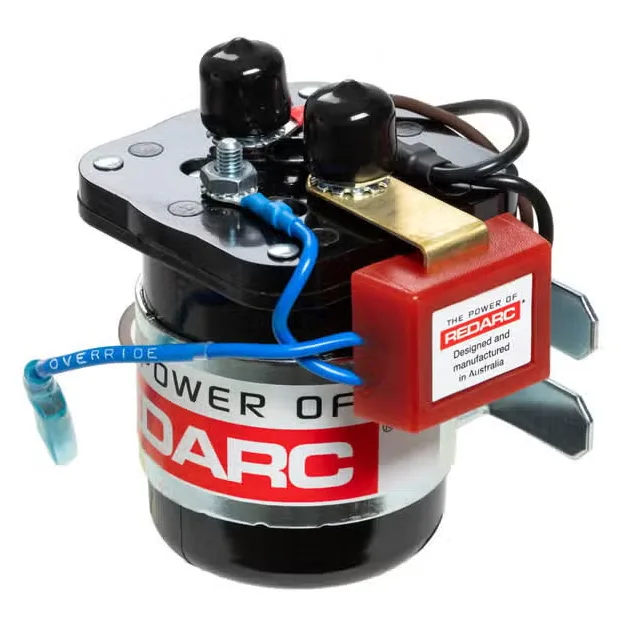
Connects the auxiliary battery while charging is available and separates it when parked. Suits some vehicles, not all.
Ask about this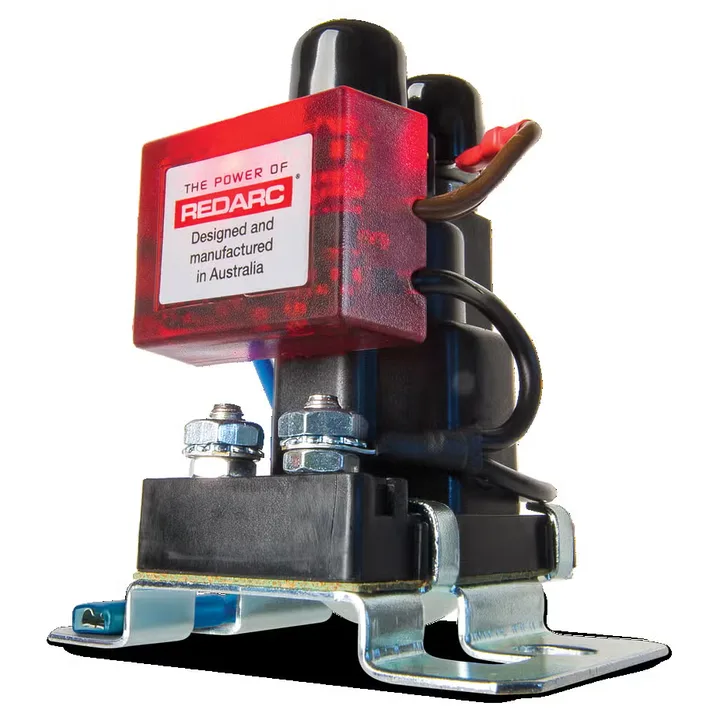
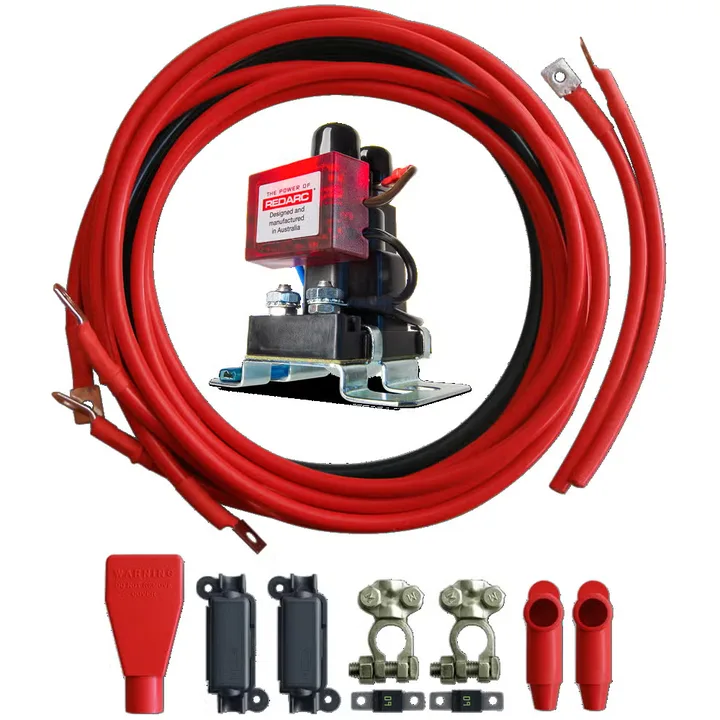
Cable, terminals and covers shown with an isolator. Cable size and fusing must suit the system.
Ask about this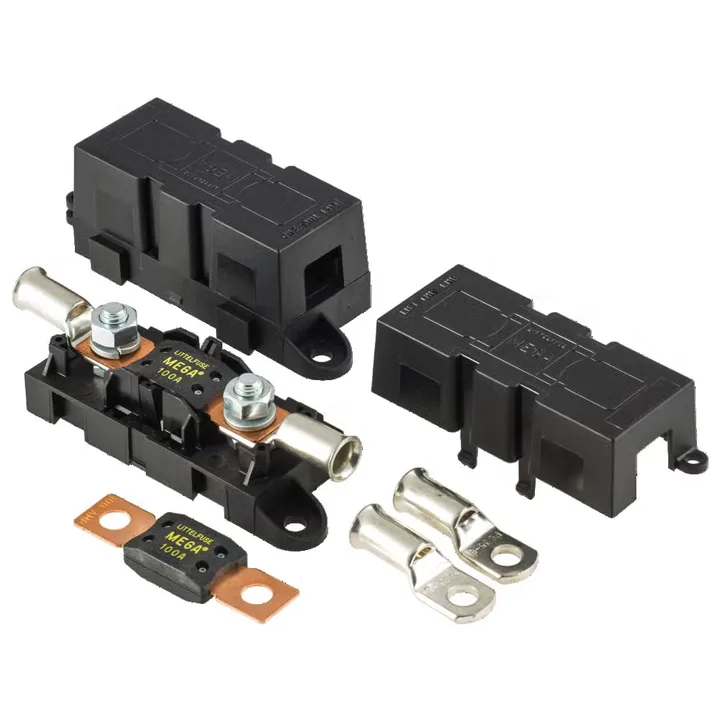
High-current fuse protection for battery cables. The right fuse depends on the parts and the cable.
Ask about this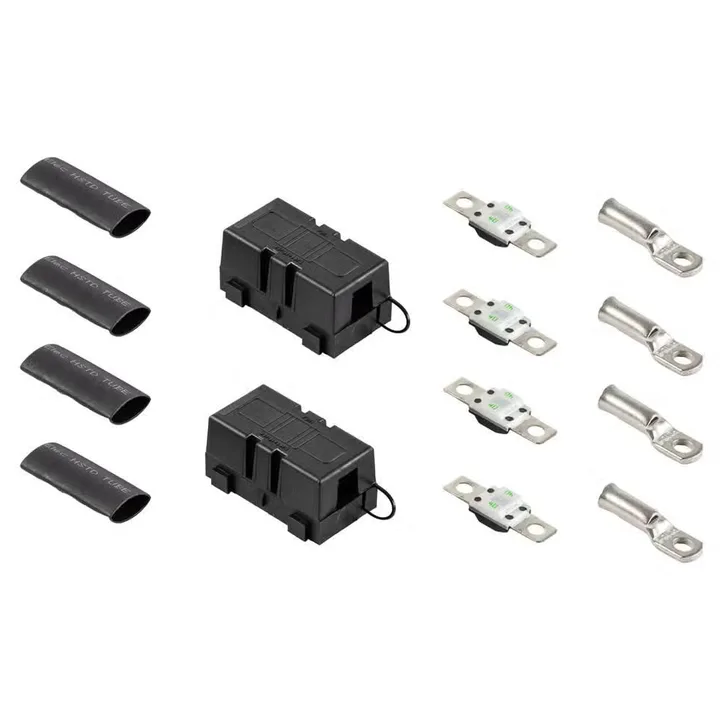
Terminals and sleeves for solid, insulated connections.
Ask about this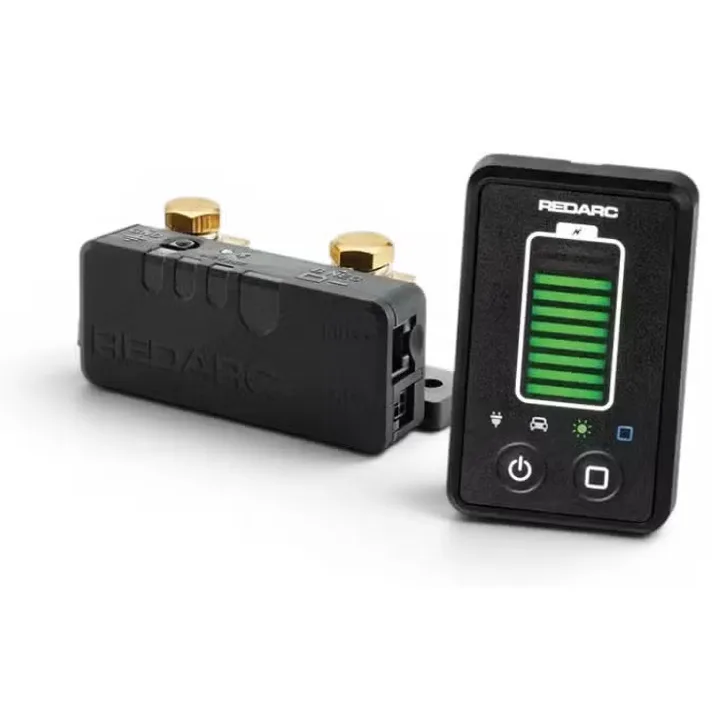
Shows the state of the battery so you can plan around it.
Ask about this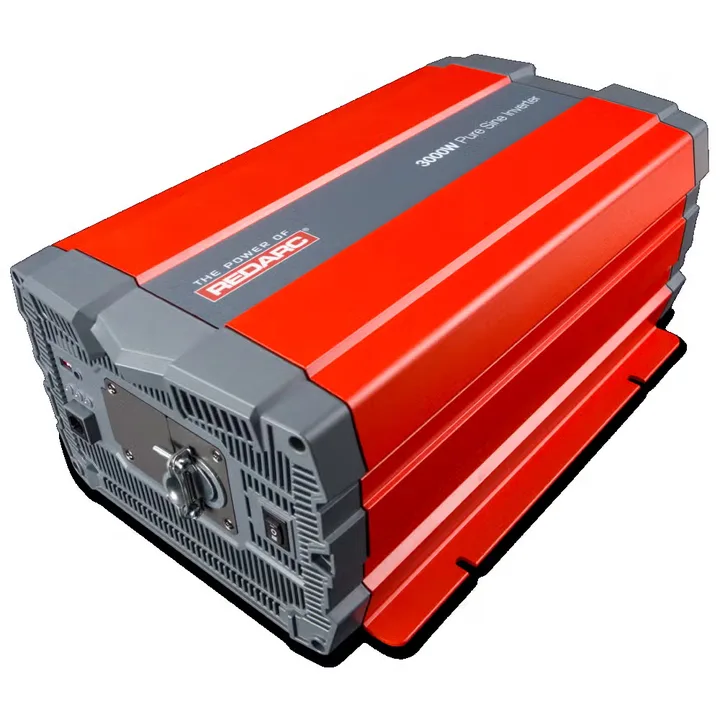
Turns 12V battery power into mains power. Sizing depends on what you run.
Ask about this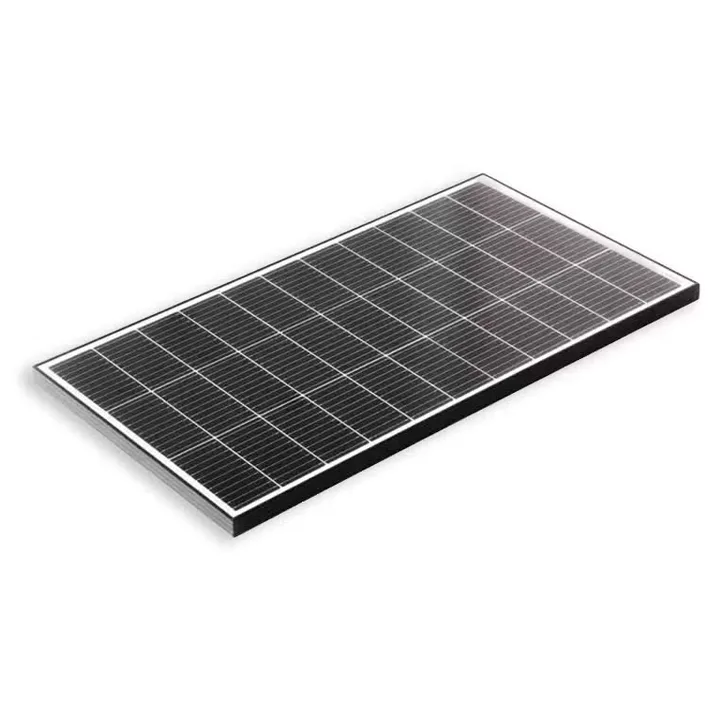
A mounted panel that adds charge while parked. Needs a regulator or a charger with a solar input.
Ask about this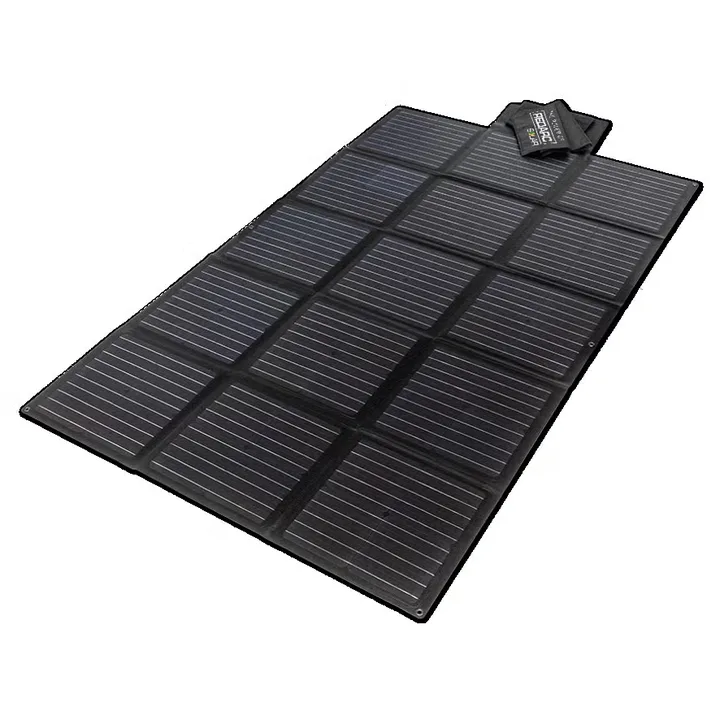
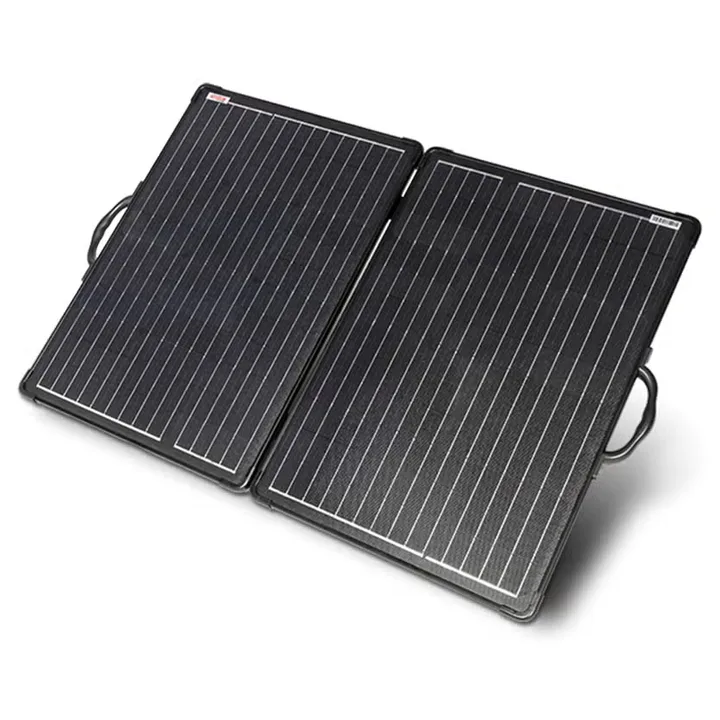
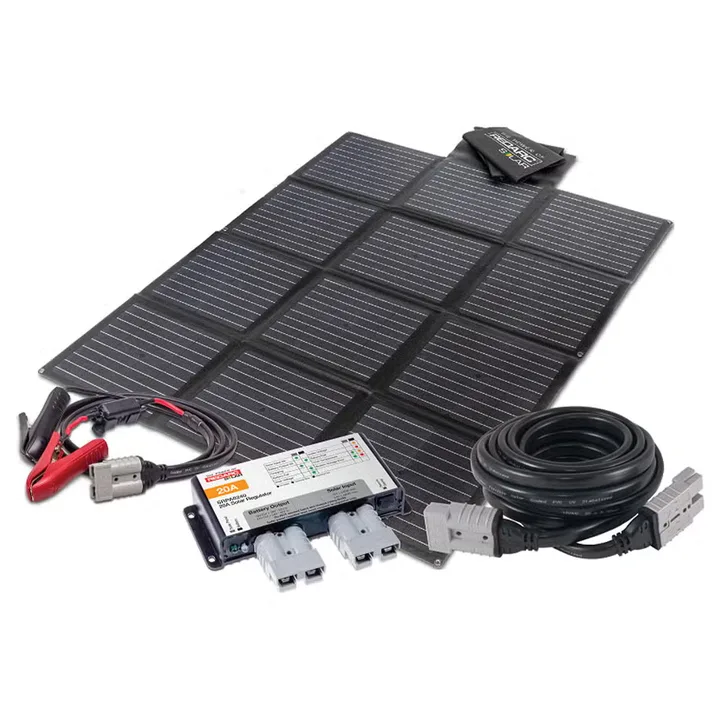
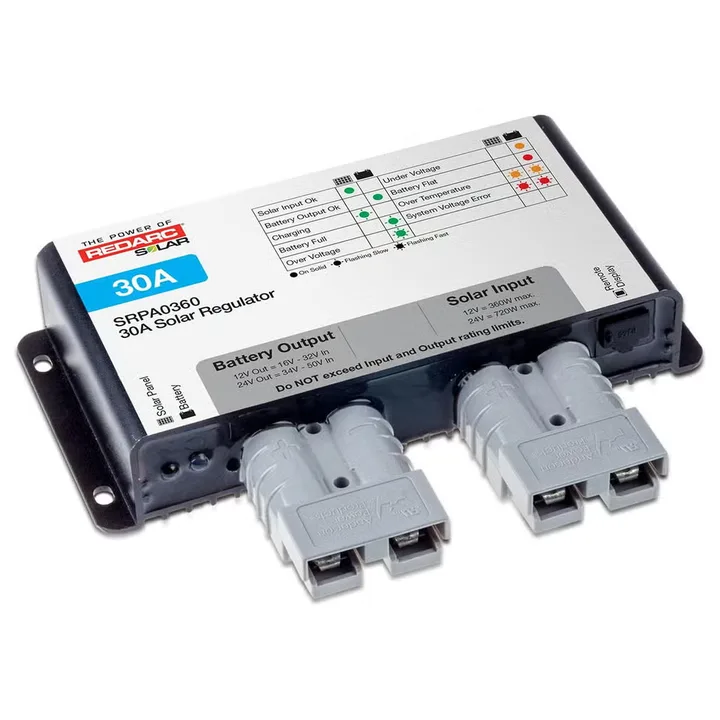
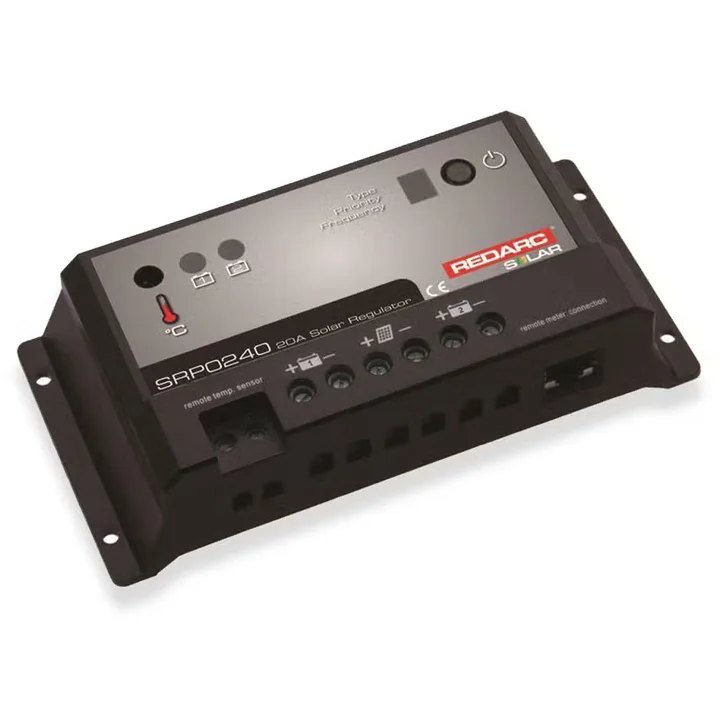
Another style of regulator for a solar panel.
Ask about this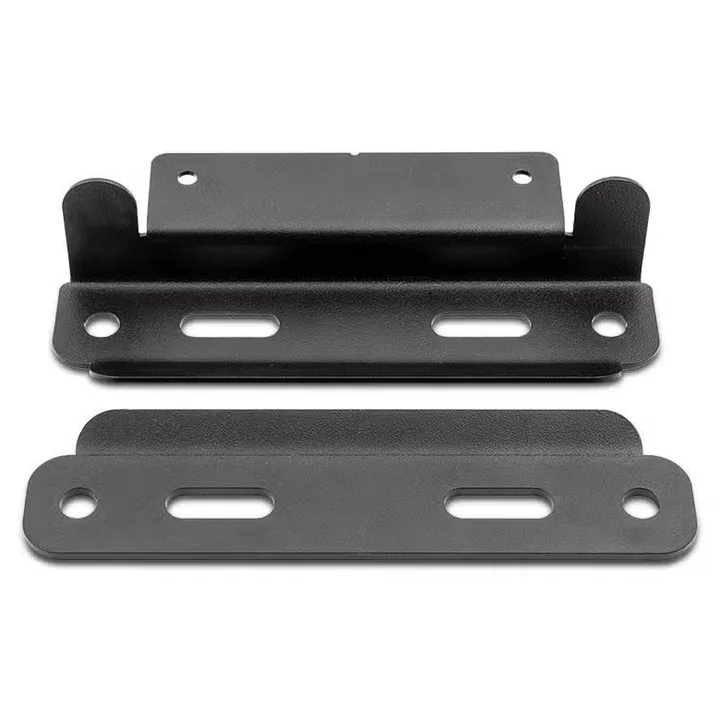
Product images are manufacturer product photography as shown on ARB and REDARC pages. Brands, models and options change, so confirm details with us before you buy.
Choosing a system
There is no single right answer. These are the questions we work through with you.
| Consider | Why it matters |
|---|---|
| Your vehicle | Make, model and year affect the alternator type, available space and wiring route. Some vehicles use variable-voltage (smart) alternators, which changes how the auxiliary battery should be charged. |
| How you use it | Weekend trips, long touring and daily work use call for different capacity and charging. |
| What you run | A fridge, lights, comms and an inverter all draw differently. List them, with how long each runs. |
| Capacity | Battery size should cover your daily use, with allowance for the usable portion of the battery. |
| Battery type | AGM and lithium (LiFePO4) differ in weight, usable capacity, charging needs and cost. |
| Charging | Charging from the alternator, from solar or both. The charger or isolator needs to suit your vehicle and battery. |
| Space and mounting | Under the bonnet, in the tray or in a canopy. Mounting needs to be secure and suit conditions. |
| Safety and installation | Correct fuses, cable sizes and connections are essential. Manufacturers such as REDARC recommend installation by a qualified installer. |
A general comparison. Always check the data for the specific battery you are considering.
| Topic | AGM | Lithium (LiFePO4) |
|---|---|---|
| Weight | Generally heavier | Generally lighter for the same stated capacity |
| Usable capacity | Often used down to about half of rated capacity to protect life | Often rated to use much more of its stated capacity |
| Charging | Needs a suitable charge profile | Needs a charger set up for lithium; check temperature limits |
| Upfront cost | Generally lower | Generally higher |
Illustrative numbers only. Your fridge, weather and habits will differ.
Based on the typical 2 to 5 amp running draw described by Outbax, what size battery for a camping fridge. Add your other loads on top.
How it works
A simplified example. Real systems differ in layout, parts and protection, and may leave steps out or add others.
VehicleStarter batteryKept for starting the engine.LinkCharger or isolatorConnects the two batteries when charging is available. Choice depends on the vehicle and battery.StorageAuxiliary batteryStores power for your accessories.UseFuse panel and loadsProtected circuits for a fridge, lights, comms and other gear.The charger or isolator lets the auxiliary battery charge. REDARC states that its BCDC chargers prioritise the starter battery first.
Your gear runs from the auxiliary battery. Solar, if fitted, can add charge.
A monitor, if fitted, shows battery state so you can plan around it.
Uses and benefits
What it can do depends on battery size, charging and the loads you run.
Keeps food cold while camped, with the fridge on its own circuit and off the starter battery.
Lights for camp, the tray or a worksite, run from the auxiliary battery.
UHF and other comms gear on protected circuits.
Charging for phones, cameras and laptops, and an inverter for mains-powered gear where the system is sized for it.
Extended stays are easier when you have planned capacity and a way to recharge.
Electrical set-ups for the equipment your work vehicle needs to run.
These are examples, not guarantees. A system helps protect your ability to start the vehicle, but only if it is sized and installed properly.
Installation and compatibility
We plan, wire and fit systems in our own Warwick workshop, around your vehicle and how you use it.
Compatibility depends on your vehicle, the alternator, the battery and the charger. Tell us your make, model and year and what you want to run, and we will take it from there.
From REDARC, choosing the right charger for a dual battery system and the REDARC BCDC1250D product page. These describe REDARC products as examples, not a list of what we stock. Ask us what we can supply for your vehicle.
FAQs
Straight answers on batteries, charging, fitting and safety. This is general information, not electrical or legal advice.
A dual battery system adds a second, auxiliary battery to a vehicle so that accessories such as a fridge, lights or communications gear run from the auxiliary battery instead of the starter battery. A charger or isolator connects the two while the engine runs, so the auxiliary battery is topped up as you drive. The parts and layout vary with the vehicle and how it is used.
The main reason is to keep the starter battery for starting. Running a fridge, lights or other loads from the auxiliary battery means those loads are not drawing on the battery you need to start the engine. It also lets you size the auxiliary battery to the loads you actually run.
Not always. If you only run small loads for short periods, a dual battery system may not be necessary. It tends to make sense when you run a 12V fridge, camp lighting or other gear while the engine is off, camp for more than a night, or work from the vehicle. Tell us what you run and for how long, and we will say whether a dual battery system suits your use.
The starter battery supplies the high current needed to crank the engine and is part of the vehicle's original electrical system. The auxiliary battery supplies your accessories and is generally chosen for steady, repeated discharge. Some battery types are better suited to one job than the other, so the two are not always the same type.
Both are used as auxiliary batteries, and neither is right for everyone. Lithium iron phosphate (LiFePO4) batteries are commonly lighter and are often rated to use more of their stated capacity than AGM, but they usually cost more upfront and need a charger set up for them. AGM is a well-established option and is generally heavier. Check the manufacturer's data for the exact battery, and ask us which suits your vehicle, space and budget.
It depends on what you run, for how long, and how you charge. Start by listing your loads, estimating how many amp-hours they use in a day, then allow for how much of the battery's capacity can safely be used. That usable figure differs between chemistries. We can work through this with you; see the sizing example on this page.
It depends on the fridge, the weather, how often it is opened and how long you stay. As an illustration only, Outbax, what size battery for a camping fridge notes that quality compressor fridges commonly draw about 2 to 5 amps while running and cycle on and off. A fridge using 3 amps for 8 hours in a day would use roughly 24 amp-hours that day. Your battery then needs to cover that over the days you camp, with solar or driving to recharge.
Many lithium batteries have documented temperature limits for charging, and some have internal protection that blocks charging outside them. Limits differ by manufacturer, so check the data for your battery. If you camp in cold conditions, mention it so we can take it into account when choosing the battery.
REDARC explains that an isolator is a simpler option, which it suggests for older vehicles, generally pre-2015, with fixed-voltage alternators, while a DC-DC charger suits newer vehicles with variable-voltage or smart alternators and longer cable runs, such as to a canopy. See REDARC, choosing the right charger for a dual battery system. The right choice depends on your vehicle, the battery type and where the battery is mounted.
Some vehicles vary the alternator's output voltage while driving, and may lower it, rather than holding a steady voltage. REDARC says this is more likely in post-2015 vehicles, although some earlier ones do it too. A simple connection to the auxiliary battery may not charge it well in that case, which is one reason a DC-DC charger is often used. We check this for your vehicle.
Often, yes. Solar needs a regulator, and some DC-DC chargers include a solar input. As one example, REDARC BCDC1250D product page states that the BCDC1250D has a built-in solar regulator and separate DC and solar inputs. Whether solar suits your setup depends on the charger, the battery and how you camp.
A BMS is built into most lithium batteries and monitors and protects the cells, for example against charging or discharging outside safe limits. What it protects against differs by battery, so check the manufacturer's documentation. It is not a substitute for correct fusing and wiring.
A monitor is not required for a system to work, but it shows the state of the auxiliary battery so you are not guessing. It helps you see how long you can keep running your gear. We can include one when we plan the system.
A correctly selected and installed system should not. REDARC states that a correctly wired system with a charger does not harm the alternator, and that its charger prioritises the starter battery first. Problems usually come from the wrong parts, undersized wiring or a poor install, which is why the system should be matched to your vehicle and fitted properly.
Yes, an inverter can be added to many systems. Inverters draw large currents, so the battery, cable and fusing all need to suit the inverter's size. We work with pure sine wave inverters, which can suit sensitive electronics. Tell us what you want to run so we can size it properly.
Usually something can be made to suit, but where the battery goes, how it is mounted and how it is wired depend on the vehicle. Space under the bonnet, in the tray or in a canopy is limited and varies. Give us your make, model, year and what is already fitted, and we will talk through the options.
Some owners do. However, REDARC recommends installation by a qualified auto electrician or technician. The risks include incorrect fusing, undersized cable and poor connections. We design, wire and fit systems in our own Warwick workshop, so you are not left to work it out yourself.
Batteries can deliver very high current, so a fault in unfused or undersized wiring can overheat cables and cause a fire. The right fuse and cable size depends on the charger, battery and loads, and manufacturers specify them. For example, REDARC states that the input and output fuses for the BCDC1250D are not supplied and recommends a matching fuse kit. Follow the manufacturer's instructions for every part.
Rules and policies differ, so check with your manufacturer or dealer, your insurer and your state authority before modifying the electrical system. Tell your insurer about modifications that you fit. Use a qualified installer and keep records of what was fitted. This is general information, not electrical or legal advice.
It varies a lot with the battery type and size, the charger, the wiring, the fuse panel and the vehicle, so we do not publish a single price. Tell us what you want to run and we will quote for your vehicle. Fitting time depends on the scope, so ask when you book.
Check connections and cable routing now and then, particularly after rough tracks, and keep an eye on battery condition using the monitor if you have one. Follow the battery maker's guidance for storage and charging. If something looks worn, loose or damaged, have it checked.
Yes, our work covers 12V and electrical set-ups for work and fleet vehicles as well as 4WDs used for touring. Tell us the equipment you need to run and the duty it has to do.
Tell us your vehicle, what you run and how you travel. We will plan a dual battery system to suit, then wire and fit it in Warwick.