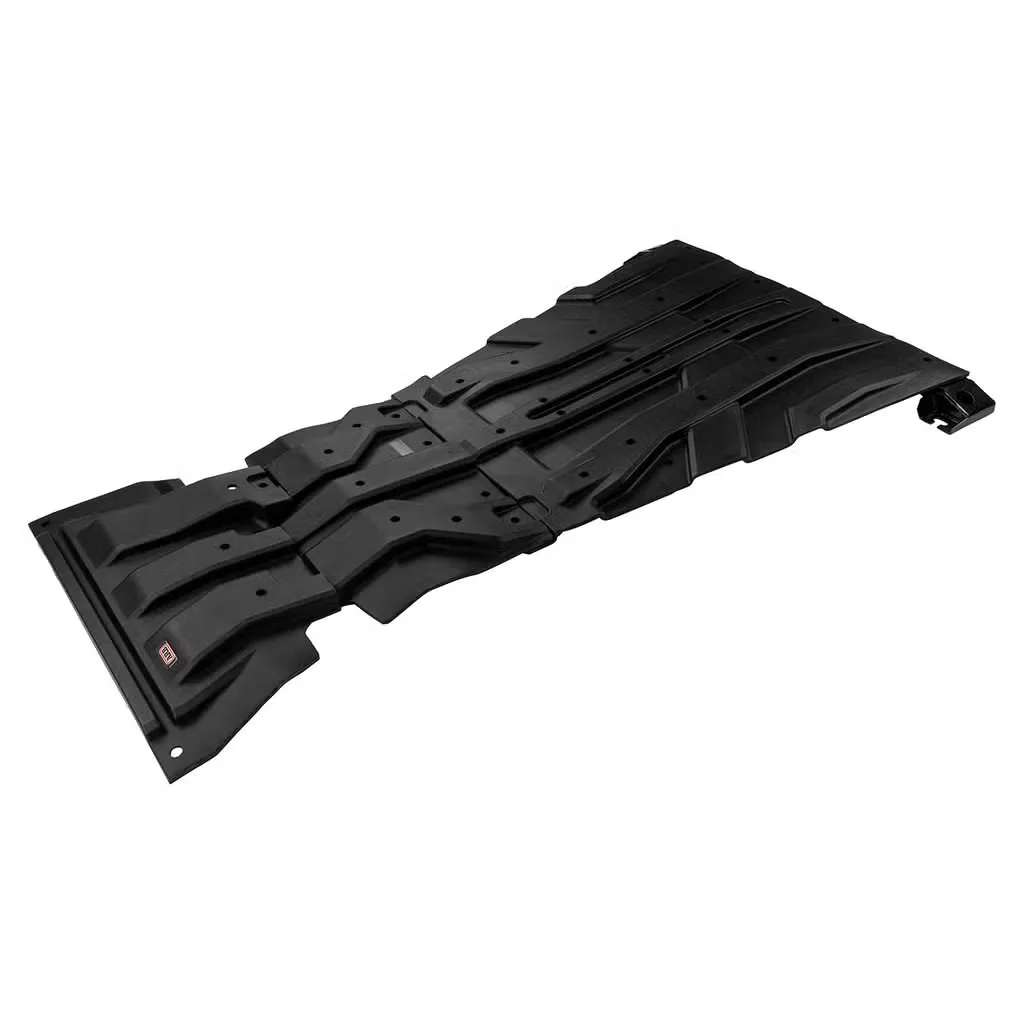
A 4WD does not get damaged evenly. Rocks and stumps find the underbody and sills, rutted tracks scrape the sides, and the rear takes knocks on tight tracks and when towing. Protection can be added for each of these areas.
You do not need every product. The right setup depends on your vehicle, where you drive, what you tow and what you already have fitted. Start with the area that worries you most, and add more later. Front protection, such as bull bars, is covered separately. See our builds for protection on real vehicles.
01 · Rear
Rear bars and step towbars
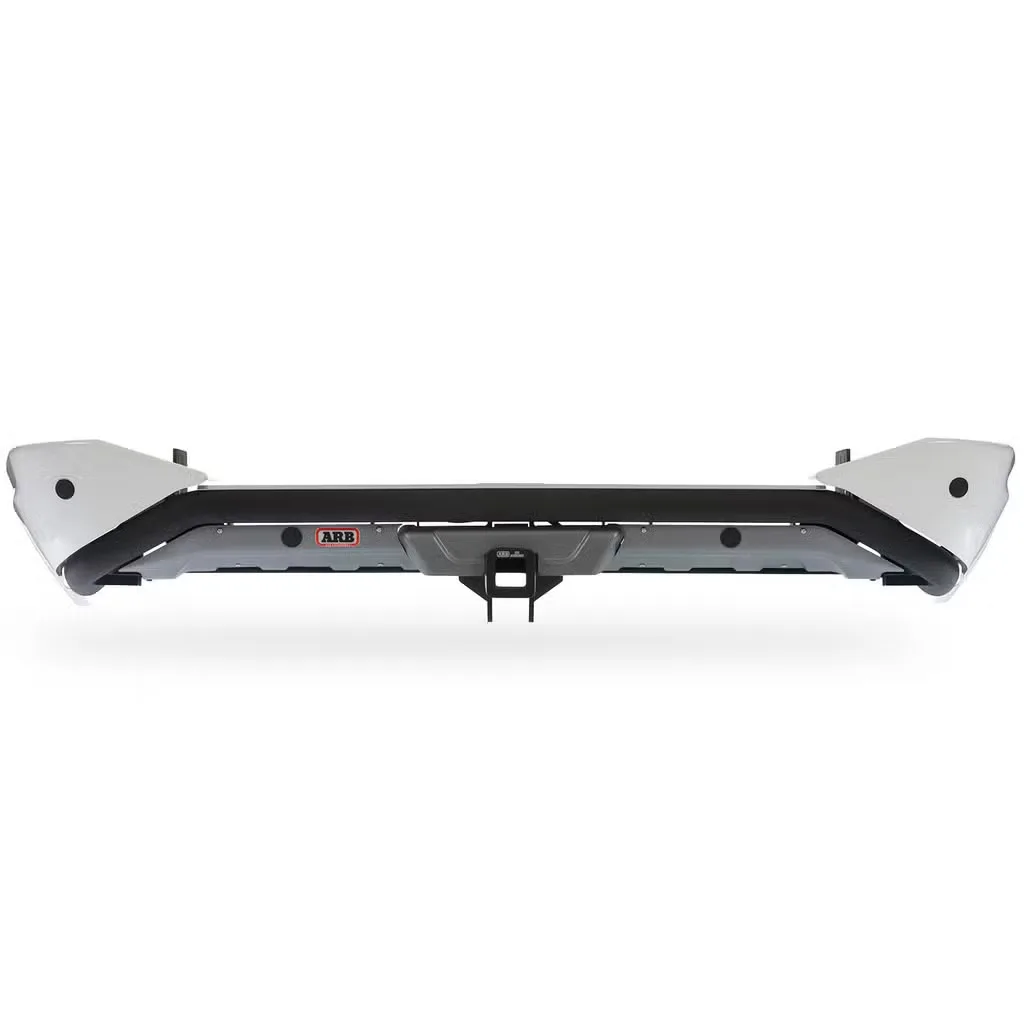
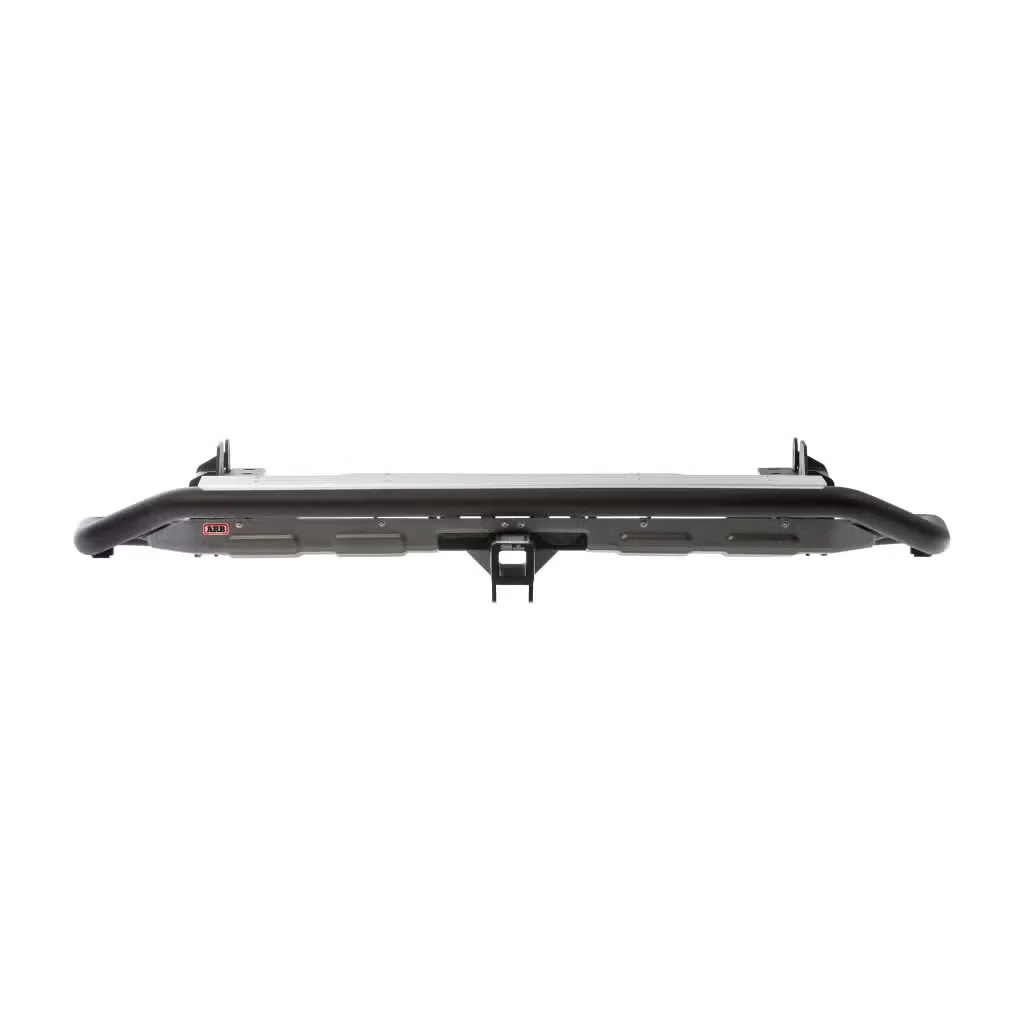
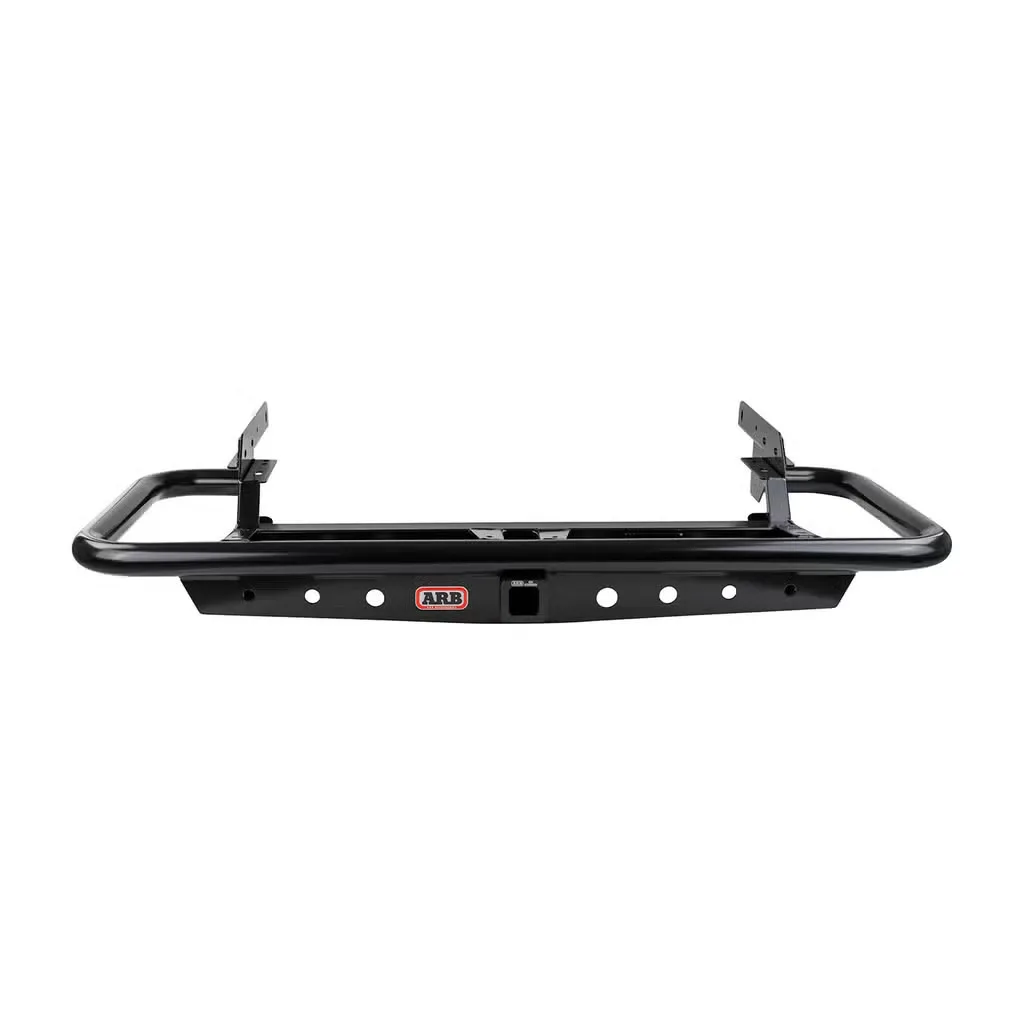
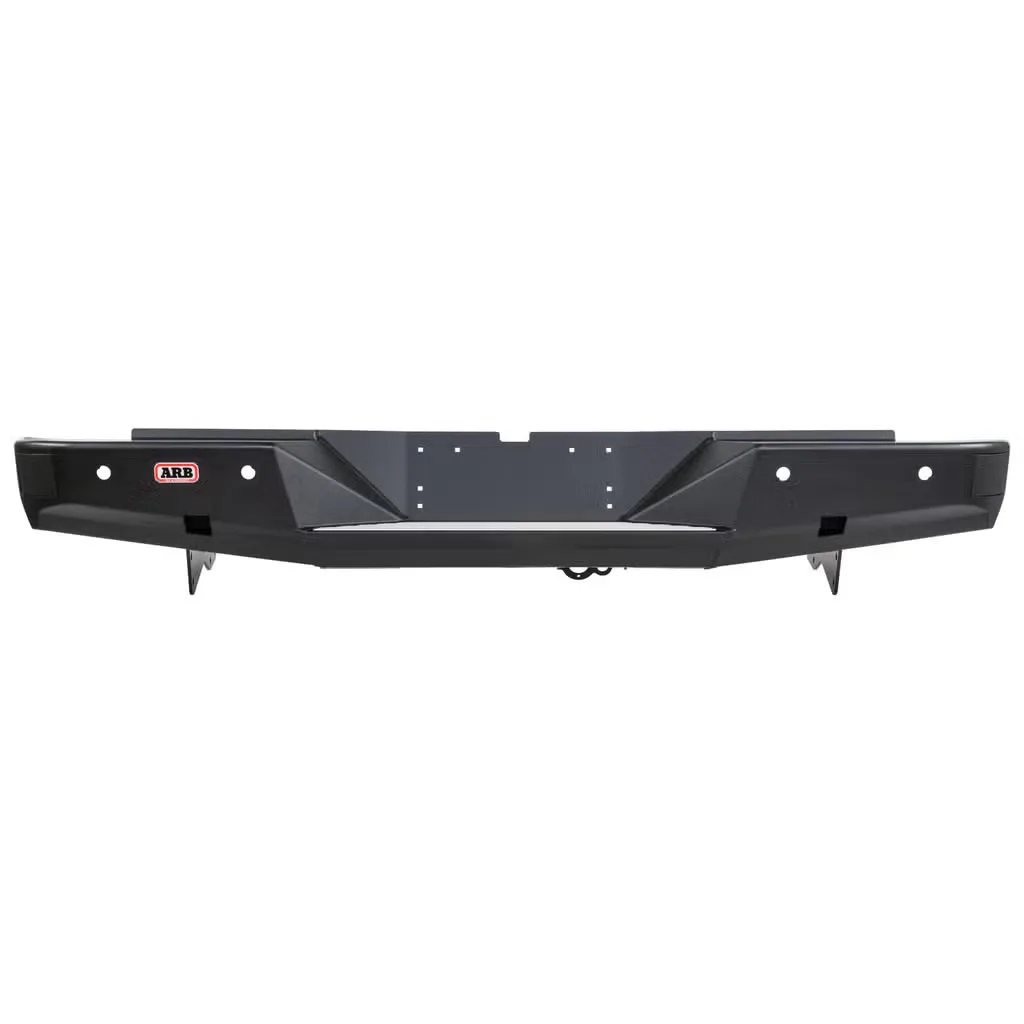
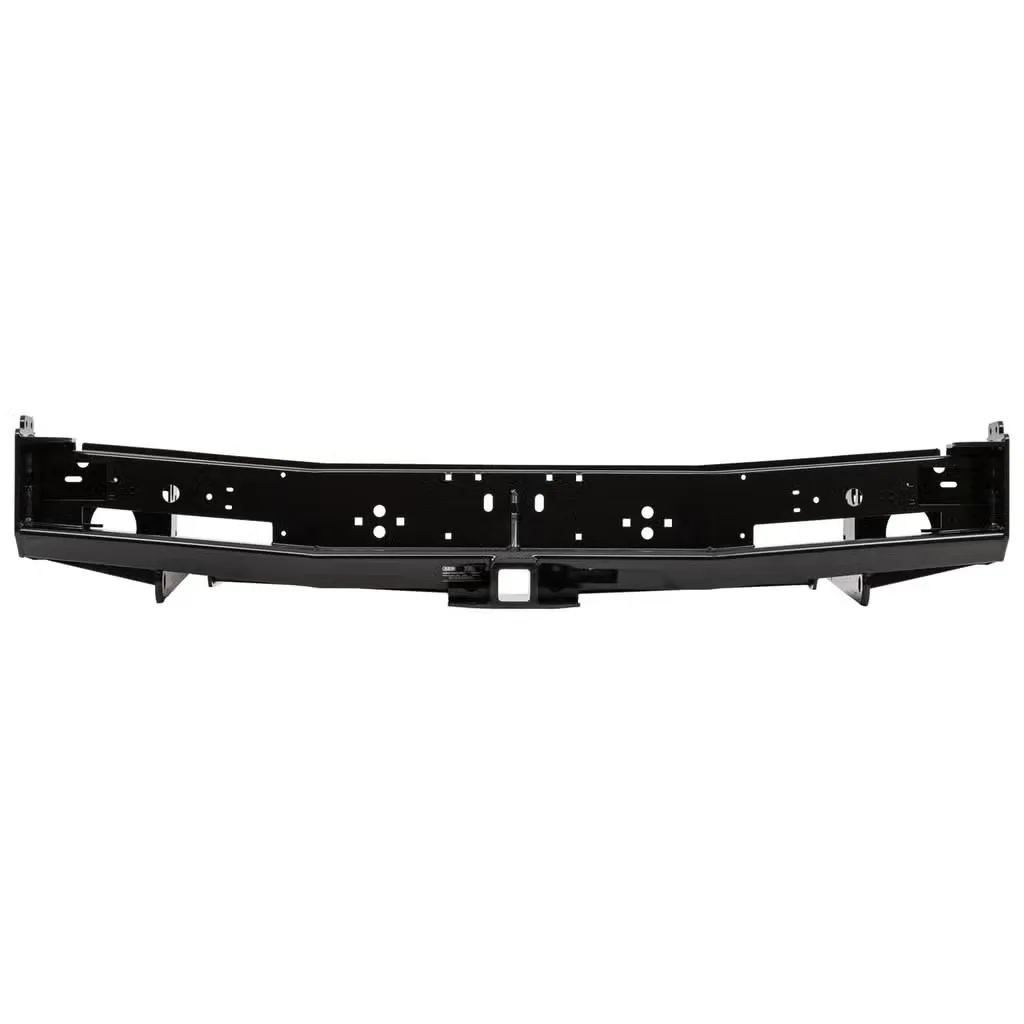
A rear bar protects the back of the vehicle and gives you a vehicle-specific point to build on. Step towbars add a step for reaching the tray and a hitch for towing, on bars that include one.
Fitment is made for specific vehicles, so we check your model, your towing needs and any rear sensors or cameras first.
What ARB states
Rear protection, a top tread plate and jack points
3.5T class 4 tow hitch, with optional 8T recovery points
Compatible with original-equipment rear parking sensors
Matt black powder coat over a corrosion-resistant primer
Side products guard the sills and lower body, and give a better way in and out. Rails and steps are different products, so the choice depends on your vehicle, whether you have a bull bar fitted and how you use it.
Check how they sit on your vehicle, including ground clearance and any side airbags, before you buy.
What ARB states
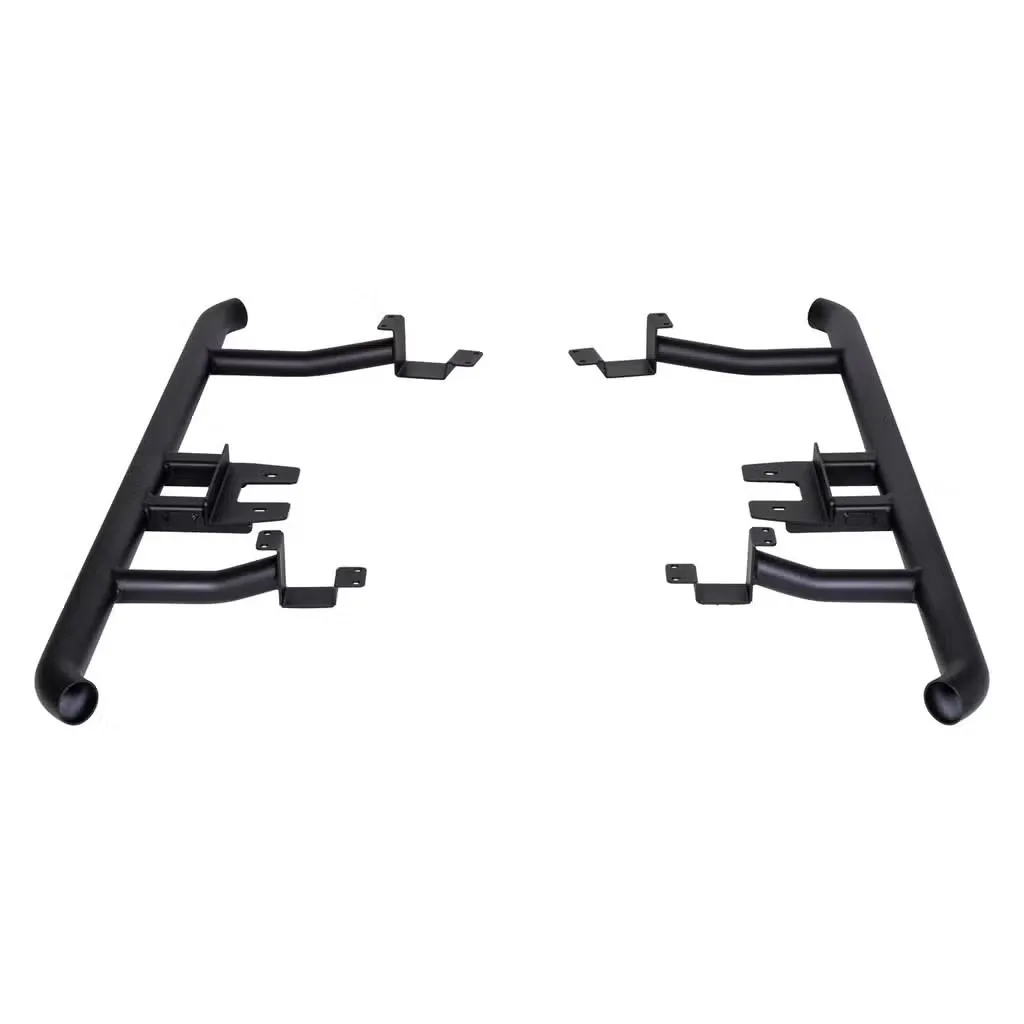
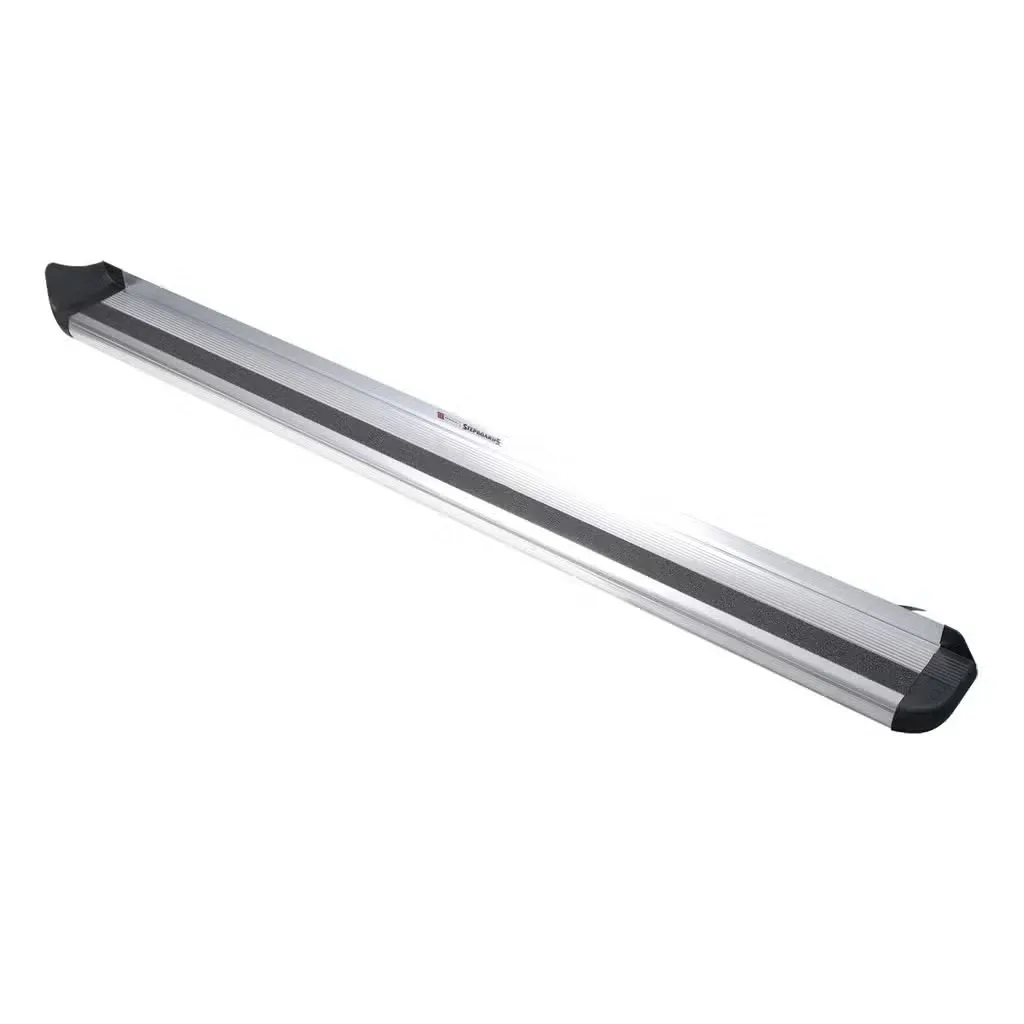
Deluxe side steps and rails: high-strength 47.6 mm steel tube with an aluminium tread plate, protecting sills and lower bodywork
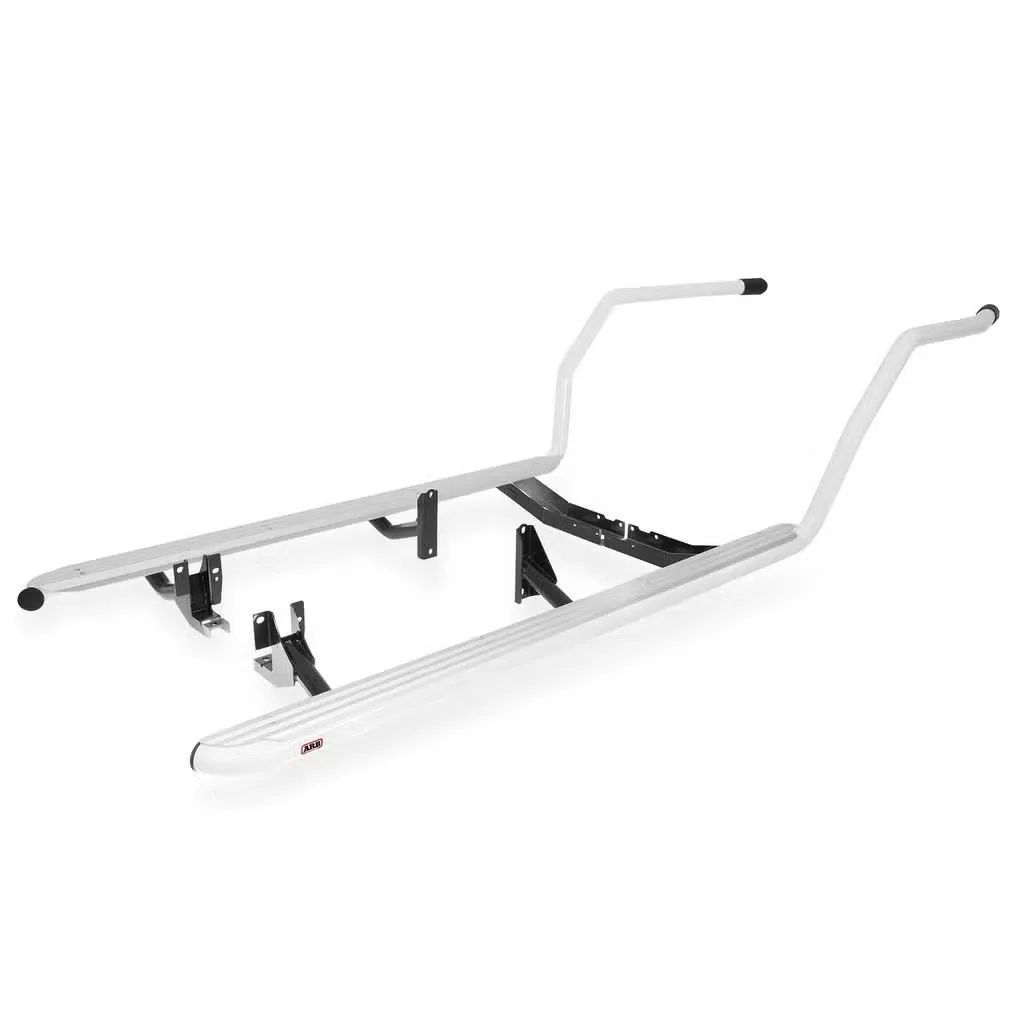
Chassis-mounted aluminium side steps guard against stone chips and minor impacts, and are marked as suiting no bull bar
Side rails, blackSide rails, whiteAluminium step boards
03 · Underbody
Underbody protection and bash plates
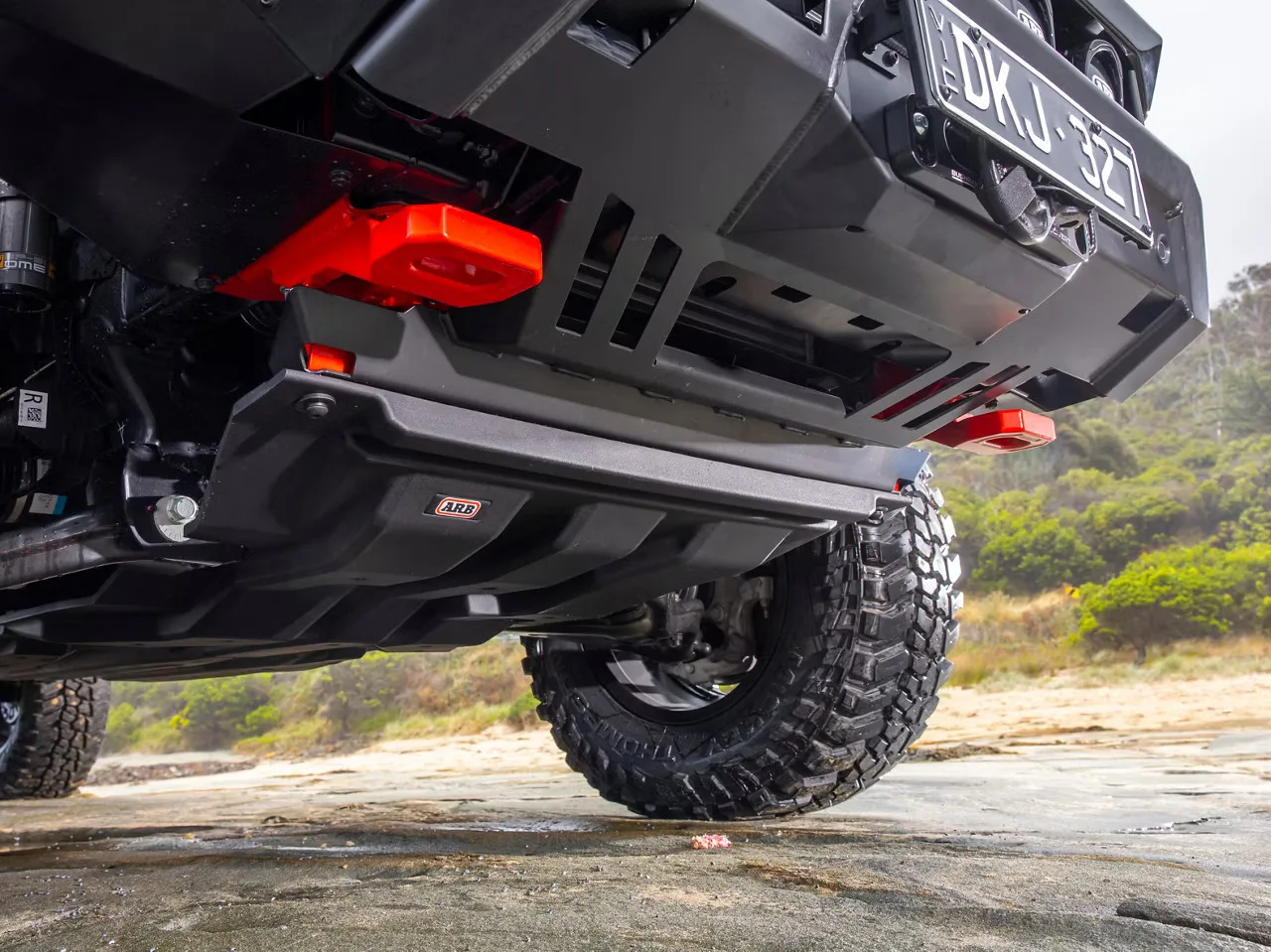
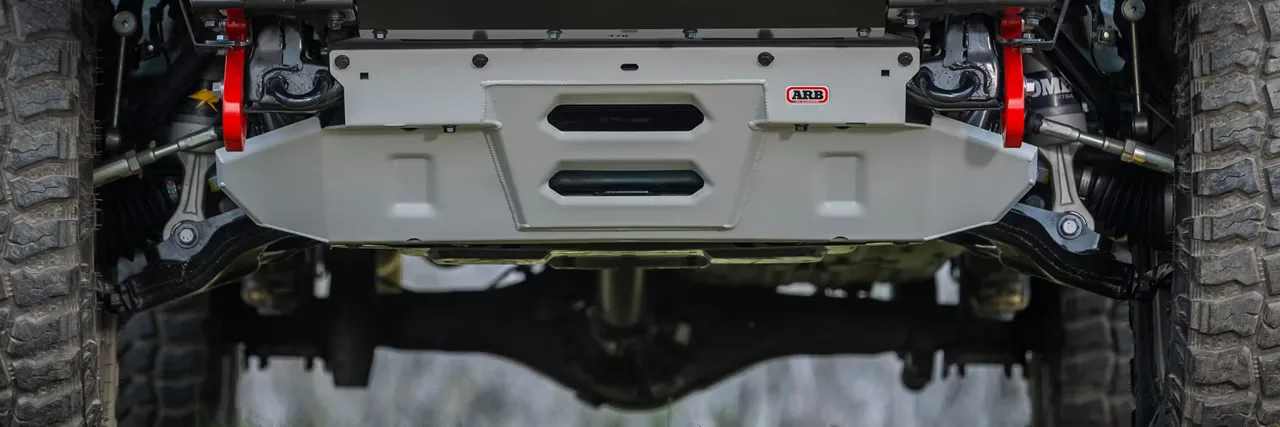
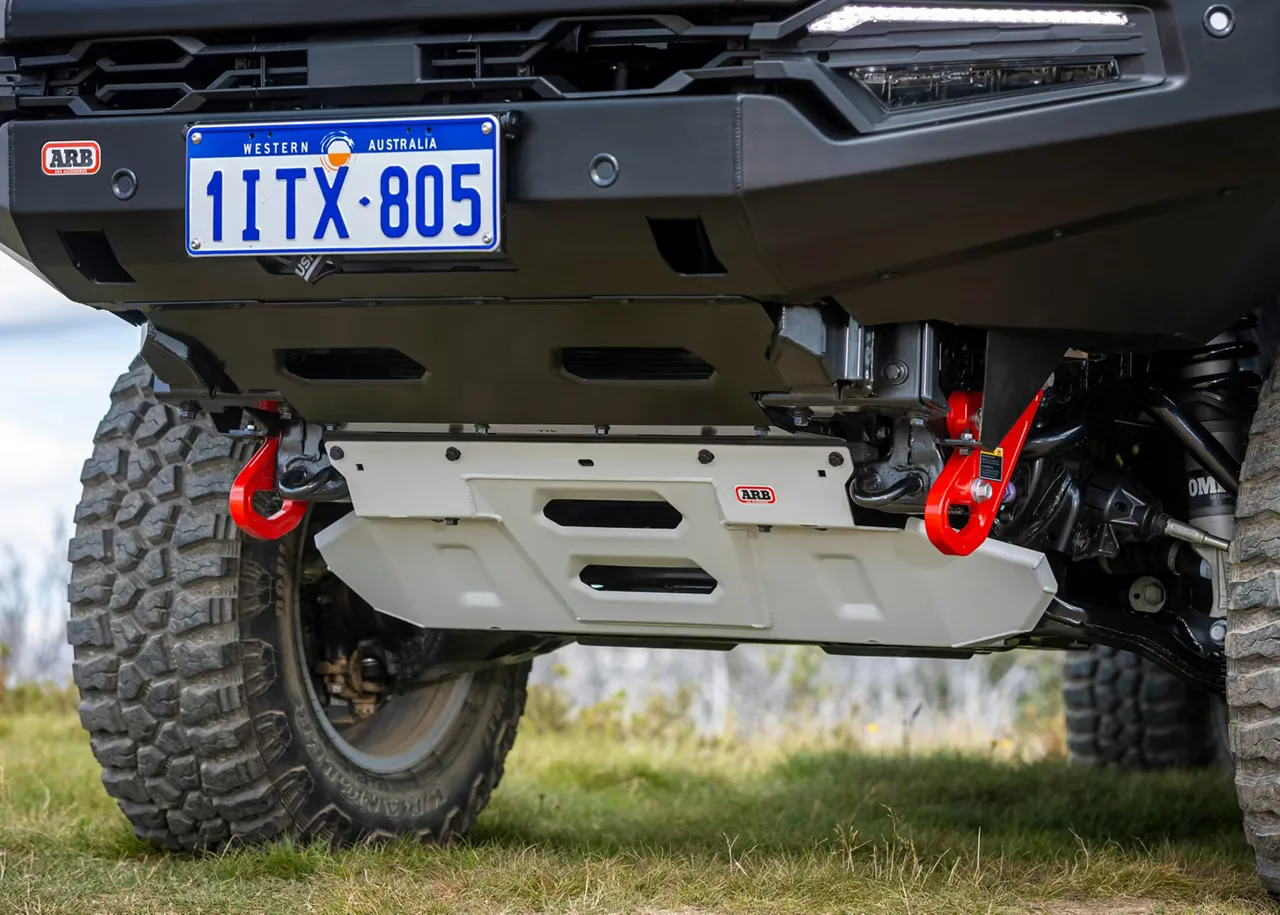
The underbody is where rocks, stumps and ruts do the most expensive damage. Underbody protection puts a plate between those hits and components such as the sump, transmission and transfer case.
Kits are made for specific vehicles, so coverage depends on your model. We confirm what is offered for yours.
What ARB states
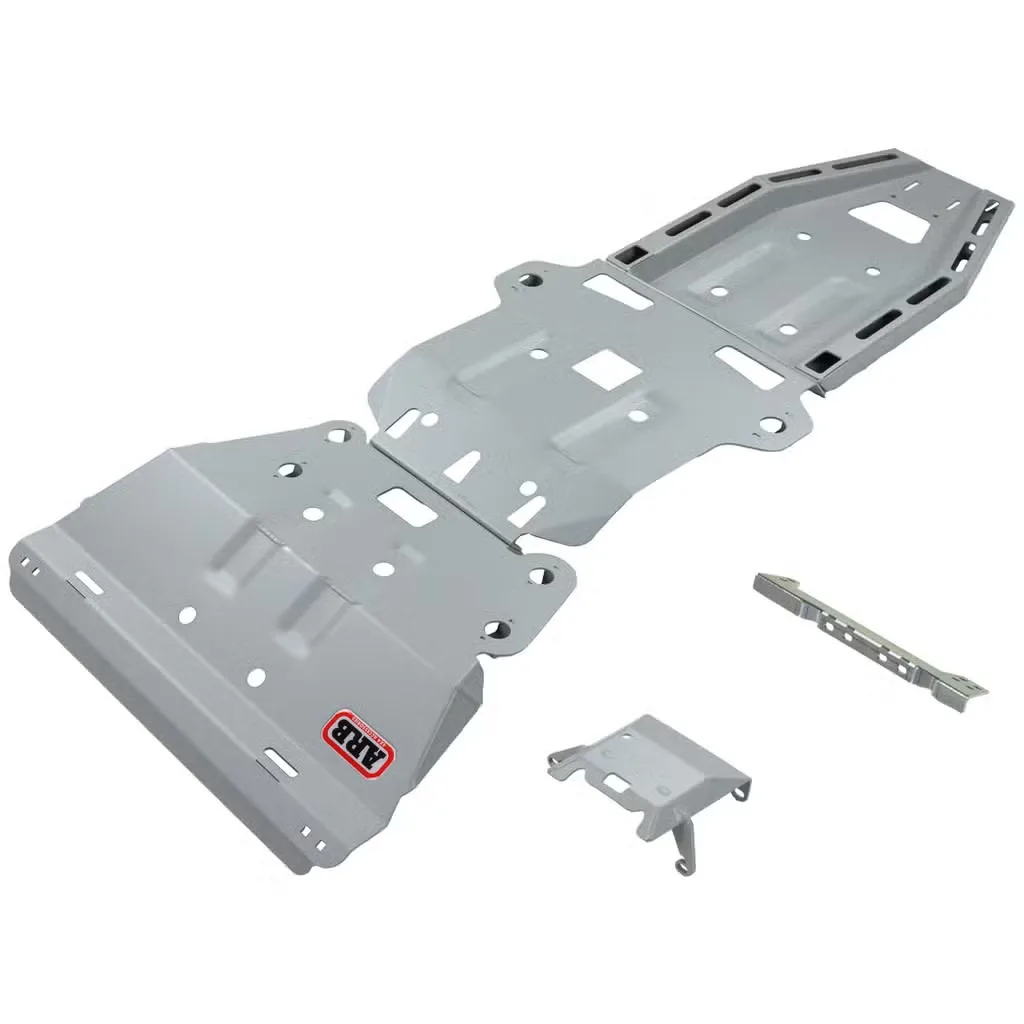
Under vehicle protection is laser-cut, press-formed steel with a powder coat finish
Under vehicle armour is cross-linked polymer
Shields the steering, sump, transmission and transfer case, depending on the kit
Recessed bolts are easy to remove for servicing; professional installation is recommended
Straight answers on rear, side and underbody protection. Rules vary by state and territory, and this is general information, not legal advice.
The basics
What is vehicle protection for a 4WD?
+
It is the set of guards, bars, plates and steps fitted to a 4WD to shield areas that take hits from rocks, stumps, ruts and everyday knocks. This page covers three areas: the rear, the sides and the underbody. What suits you depends on your vehicle, where you drive and what you carry or tow.
What types of protection can I add to my 4WD?
+
Rear protection includes rear bars and step towbars. Side protection includes side rails and side steps. Underbody protection includes steel and polymer plates that guard components such as the sump, transmission and transfer case. Front protection, such as bull bars, is a separate topic with its own page.
Which areas of a 4WD are commonly protected for off-road driving?
+
The underbody (steering, sump, transmission and transfer case), the sills and lower body along the sides, and the rear corners and tailgate area are the usual areas owners look at. ARB states that its under vehicle protection is designed to shield these vulnerable underbody components from rocks, stumps and ruts.
Not necessarily. Many owners fit one or two categories and add others later. A vehicle that mostly tours on formed roads has different needs from one that crosses rocky creek beds. Tell us how you drive and we will talk through which areas are worth protecting first.
How should I choose protection for touring versus more demanding off-road use?
+
For touring, think about how often you will meet rocks, ruts or tight tracks, and about weight and access, such as whether you use side steps to reach the cabin or roof. For more demanding terrain, underbody and sill protection tends to matter sooner. The right answer depends on the vehicle and the terrain, so we match the products to your actual use.
Rear protection
What is the purpose of a rear bar on a 4WD?
+
A rear bar protects the back of the vehicle and gives a strong, vehicle-specific mounting point for other gear. ARB states that its Summit MKII rear step tow bar offers rear protection, a top tread plate, jack points and a 3.5T class 4 tow hitch, with optional 8T recovery points. Features differ by bar and vehicle.
How do I choose the right rear protection for my vehicle, and does it fit every model?
+
No, rear bars are made for specific vehicles, so fitment depends on make, model, year and variant. Tell us what you drive, whether you tow, and what is already fitted. We will confirm which rear bars and step towbars are offered for your vehicle before you commit.
Can a rear bar affect parking sensors, cameras or the spare wheel?
+
It can, depending on the bar and the vehicle. ARB states that its Summit MKII rear step tow bar is compatible with original-equipment rear parking sensors and number plate lights, and that it provides for an ARB trailer camera kit. For any other bar, we check sensors, cameras, lights and spare wheel access for your vehicle and confirm they work after fitting.
Some rear bars include a towbar receiver or hitch, and some do not. The rating depends on the specific bar and vehicle, so check the rating that applies to your setup and never exceed your vehicle's own towing limits. Tell us what you tow and we will match the bar to it.
Side protection
What is the difference between side steps, side rails and rock sliders?
+
Side steps give a platform for getting in and out and guard against stone chips and minor impacts. ARB describes its Deluxe side steps and rails as protecting the vehicle's sills and lower bodywork, with an aluminium tread plate for footing. Rock sliders are heavier-duty sill protection designed mainly for rocky terrain. Which products are offered depends on your vehicle, so ask us what is available for yours.
Are side steps and rails suitable for everyday driving?
+
Yes, many owners fit them for everyday use because the step makes getting in and out easier and helps protect the lower body from stone chips. Think about how often you carry children or older passengers, and whether you will also use them off-road.
Can side steps or rails affect ground clearance?
+
They can, depending on the design and how they are mounted. ARB does not state ground clearance on its pages for these products, so we talk through how the product sits on your vehicle and how you use it before you buy.
Can I fit side steps or rails with a bull bar?
+
It depends on the product. ARB states that its Deluxe side steps and rails connect to an ARB Deluxe or Commercial bull bar on the vehicle it lists, while its aluminium-finish side steps are marked as suiting no bull bar. This is why we check your current bar before choosing side protection.
What is underbody protection and what do bash plates protect?
+
Underbody protection is a set of plates or panels that shield components under the vehicle. ARB lists the steering, sump, transmission and transfer case as vulnerable underbody components its design shields. A bash plate is the plate under the front of the vehicle. The exact coverage depends on the kit for your vehicle.
If your touring includes rocky tracks, creek crossings or washouts, underbody protection is worth considering, because factory underbody parts vary in what they cover. If you stay on formed roads, it may be lower priority. Tell us where you go and we will help you decide.
How do I choose between steel and polymer underbody protection?
+
ARB describes its under vehicle protection as laser-cut, press-formed steel with a powder coat finish, and its under vehicle armour as impact-resistant cross-linked polymer. What is offered depends on your model. We will talk through the options for your vehicle and how you drive it.
Can underbody protection affect ground clearance or servicing?
+
It adds a layer under the vehicle, so the fit matters. ARB states that its steel kit has recessed mounting bolts that are easy to remove for servicing, and that its polymer armour is easy to install and remove for servicing. We check access to service points when we fit it.
How do I check whether a protection product fits my vehicle?
+
Start with the exact make, model, year and variant, because ARB designs its protection for specific vehicles. Then tell us what else is fitted, such as a bull bar, towbar, sensors or cameras. We will confirm fitment for the product you are considering before you buy.
Do I need professional installation?
+
ARB recommends professional installation of its under vehicle protection to ensure correct fit. In general, we suggest professional fitting for protection that mounts to the chassis or affects towing, sensors or wiring. We fit in our own Warwick workshop.
Are vehicle protection modifications legal in Australia?
+
Generally they are acceptable if the vehicle still meets the standards that apply to it, but details vary by state and by product. NSW says accessories must not have protrusions, sharp edges or parts that obstruct the driver's view. Queensland groups modifications as minor, basic, complex or specific, and its page lists towbars and roof racks as minor examples. Check with the relevant transport authority or an approved person for your vehicle. This is general information, not legal advice, and rules vary between states and territories.
Will protection products affect my warranty or insurance?
+
Under the Australian Consumer Law, modifying a vehicle does not automatically void the manufacturer's warranty, and industry guidance recommends telling your insurer about modifications. Check with your insurer, and ask us for an itemised invoice. This is general information, not legal advice, and rules vary between states and territories.
How should I inspect and look after protection equipment?
+
Check mounting bolts and brackets for looseness after rough tracks, look for bent or cracked components after an impact, and keep the vehicle washed, especially after mud or salt, so corrosion does not take hold. Follow any instructions that come with the product, and ask us if something looks damaged.
Protection that suits your 4WD
Tell us your vehicle, where you drive and what you tow. We will recommend the rear, side and underbody protection that suits it, fitted in Warwick.